Berberine
supplementA plant compound sold as a supplement for blood sugar and weight. It is not a GLP-1 drug.
13 providers
Prebiotics is a supplement that is sold over the counter.
Also known as Inulin, Fructooligosaccharides (FOS), Galactooligosaccharides (GOS), prebiotic fiber, chicory root fiber
Prebiotics are substances that gut microbes selectively use in a way that benefits health. The best-studied are inulin and fructooligosaccharides (often from chicory root) and galactooligosaccharides. They are sold as powders and added to foods, and occur in smaller amounts in onions, garlic, bananas and wheat.
Sold without a prescription. Supplements are not reviewed by the FDA before sale, so third-party testing matters. Sold as dietary supplements and food ingredients. FDA allows inulin-type fructans and GOS to be counted as dietary fiber on labels, and inulin has a GRAS notice with no FDA questions.
As of October 7, 2026.
Key takeaways
Humans cannot digest fibers like inulin, fructooligosaccharides and galactooligosaccharides, so they reach the colon intact. There, certain bacteria such as bifidobacteria ferment them, growing in number and producing short-chain fatty acids.
The 2017 ISAPP consensus says a substance only counts as a prebiotic if it is selectively used by microbes and a health benefit is documented. Not all fiber qualifies.
NCCIH describes probiotics as live microorganisms and prebiotics as nondigestible food components that selectively stimulate the growth or activity of desirable microorganisms. NCCIH: Probiotics, what you need to know
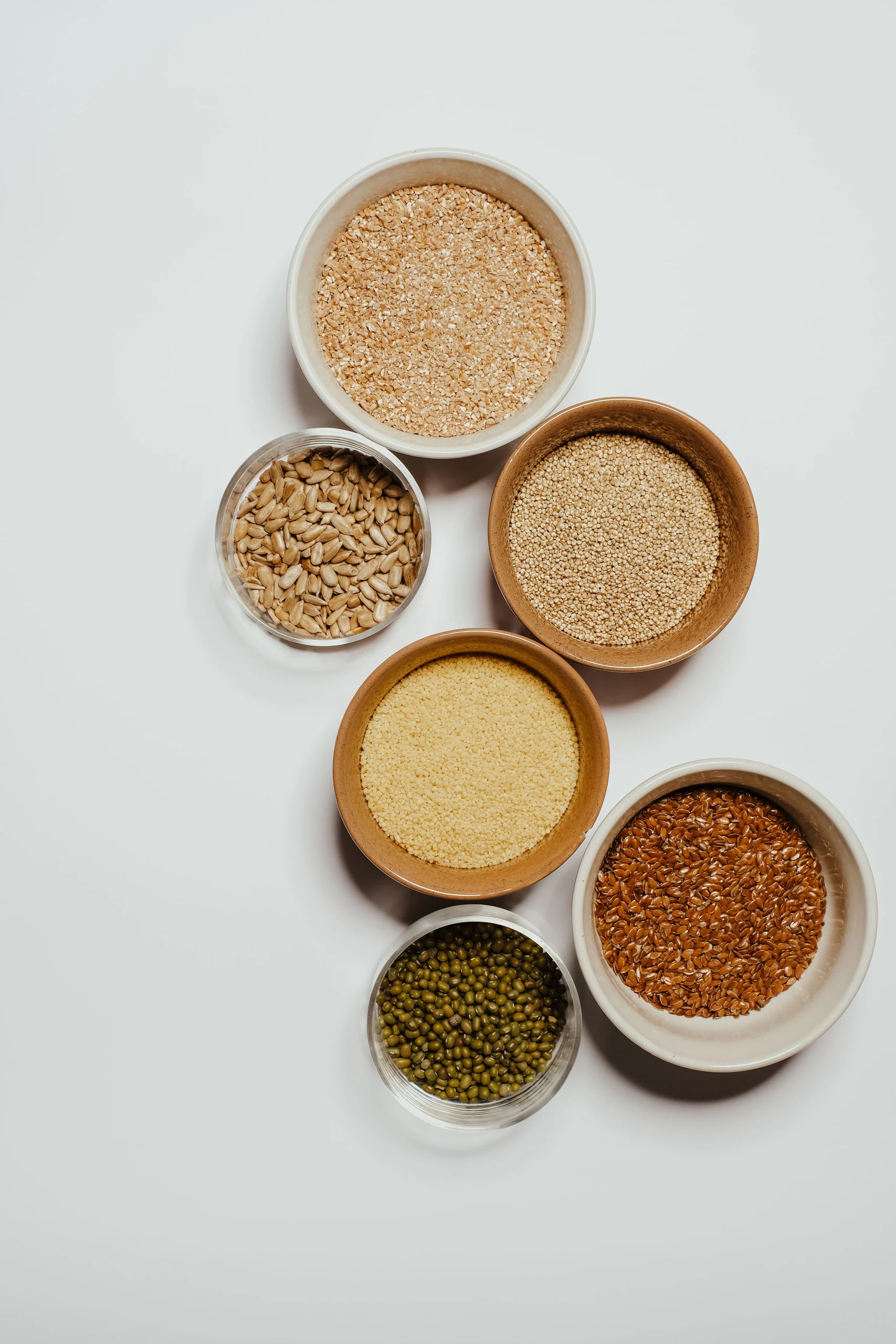
ISAPP notes that onions, garlic, bananas, chicory root and Jerusalem artichokes contain prebiotics, but at low levels, and that not every dietary fiber is a prebiotic. ISAPP: Prebiotics
A meta-analysis found inulin improved stool frequency and consistency in constipation, but a meta-analysis in IBS found no symptom benefit and more gas with inulin-type fructans.
Gastroenterologists see prebiotic fibers as a reasonable option for some people with constipation, but not a proven fix for IBS, where they can make gas and bloating worse.
A meta-analysis of 5 randomized trials found inulin improved stool frequency, consistency and transit time in constipation, but not pain or bloating.
Collado Yurrita et al.: Inulin-type fructans and constipation, meta-analysis (Nutr Hosp 2014)A 2019 meta-analysis of 11 trials in IBS and other functional bowel disorders found prebiotics raised bifidobacteria but did not improve symptoms or quality of life, and inulin-type fructans worsened flatulence.
Wilson et al.: Prebiotics in IBS and functional bowel disorders, meta-analysis (Am J Clin Nutr 2019)The 2023 AGA-ACG constipation guideline found psyllium was the fiber that appeared effective and said data on inulin were limited.
AGA-ACG clinical practice guideline: pharmacological management of chronic idiopathic constipation (2023)FDA lists inulin-type fructans and GOS among the non-digestible carbohydrates that can be counted as dietary fiber on labels.
FDA: Questions and answers on dietary fiberSummaries of published guidelines, drug labels, regulators and reviews, each attributed to its source. DiscoverMedica does not employ clinicians.
Only a licensed clinician who knows your history can decide whether it is right for you.
These save with the compound when you add it to My Journal, so they’re on the printout for your visit.
No prescription is needed. Supplement brands and retailers sell it online and in stores.
Check with a clinician or pharmacist first if you take prescription medication or have a chronic condition.
Choose a product with independent testing, such as NSF Certified for Sport or USP Verified, because FDA does not check supplements before they are sold.
From each provider’s own site, checked October 7, 2026. Programs change, so confirm the details before you sign up.
12 providers list Prebiotics on DiscoverMedica, lowest listed price first.
† Prices as listed by the provider when we checked; they change.
Gas, bloating and cramping are the most common, because gut bacteria ferment these fibers. A 2019 meta-analysis found inulin-type fructans worsened flatulence in people with IBS. Monash University lists fructans and GOS as FODMAPs. Stop or cut back if symptoms are significant, and ask a clinician if they persist.
Probiotics are live microorganisms, such as certain Lactobacillus or Bifidobacterium strains. Prebiotics are nondigestible food components that selectively feed beneficial microbes already in the gut. NCCIH describes both. Each is judged on its own evidence, and neither is a cure-all for gut symptoms.
Somewhat. A meta-analysis of 5 trials found inulin improved stool frequency, consistency and transit time, though not pain or bloating. The 2023 AGA-ACG guideline found psyllium the fiber that appeared effective and called the inulin data limited. If constipation is ongoing, ask a clinician which fiber or medicine fits best.
Not usually. A 2019 meta-analysis of 11 trials found prebiotics did not improve IBS symptoms or quality of life, and inulin-type fructans increased flatulence. Inulin, FOS and GOS are FODMAPs, which many people with IBS limit. A gastroenterologist or dietitian can help decide whether any prebiotic is worth trying.
They are sold as dietary supplements and food ingredients, which FDA does not approve before sale. FDA allows inulin-type fructans and GOS to count as dietary fiber on nutrition labels, and it had no questions about a GRAS notice for inulin in food. A "prebiotic" claim on a label is not FDA-verified proof of benefit.
This is not a complete list of risks. Talk to a licensed clinician or pharmacist about your own situation. If you have a severe reaction, call 911. You can report side effects to the FDA through MedWatch at 1-800-FDA-1088.
Guide reviewed October 7, 2026.
Educational information only, not medical advice. It does not replace a conversation with a licensed clinician.
A plant compound sold as a supplement for blood sugar and weight. It is not a GLP-1 drug.
A lab-made peptide popular for injury recovery. Mostly animal data, and not an approved drug.
Live microbes in supplements and foods. Benefits depend heavily on the specific strain.
An amino acid that fuels gut-lining cells; taken for "leaky gut" and recovery.