Semaglutide
medicationA GLP-1 medication that reduces appetite, approved for weight management and type 2 diabetes.
24 providers
Berberine is a supplement that is sold over the counter.
Also known as Berberine HCl, nature's Ozempic
Berberine is a bitter compound from plants like goldenseal and barberry. It is marketed for blood sugar, cholesterol and weight, and social media nicknamed it "nature's Ozempic", a comparison the evidence does not support.
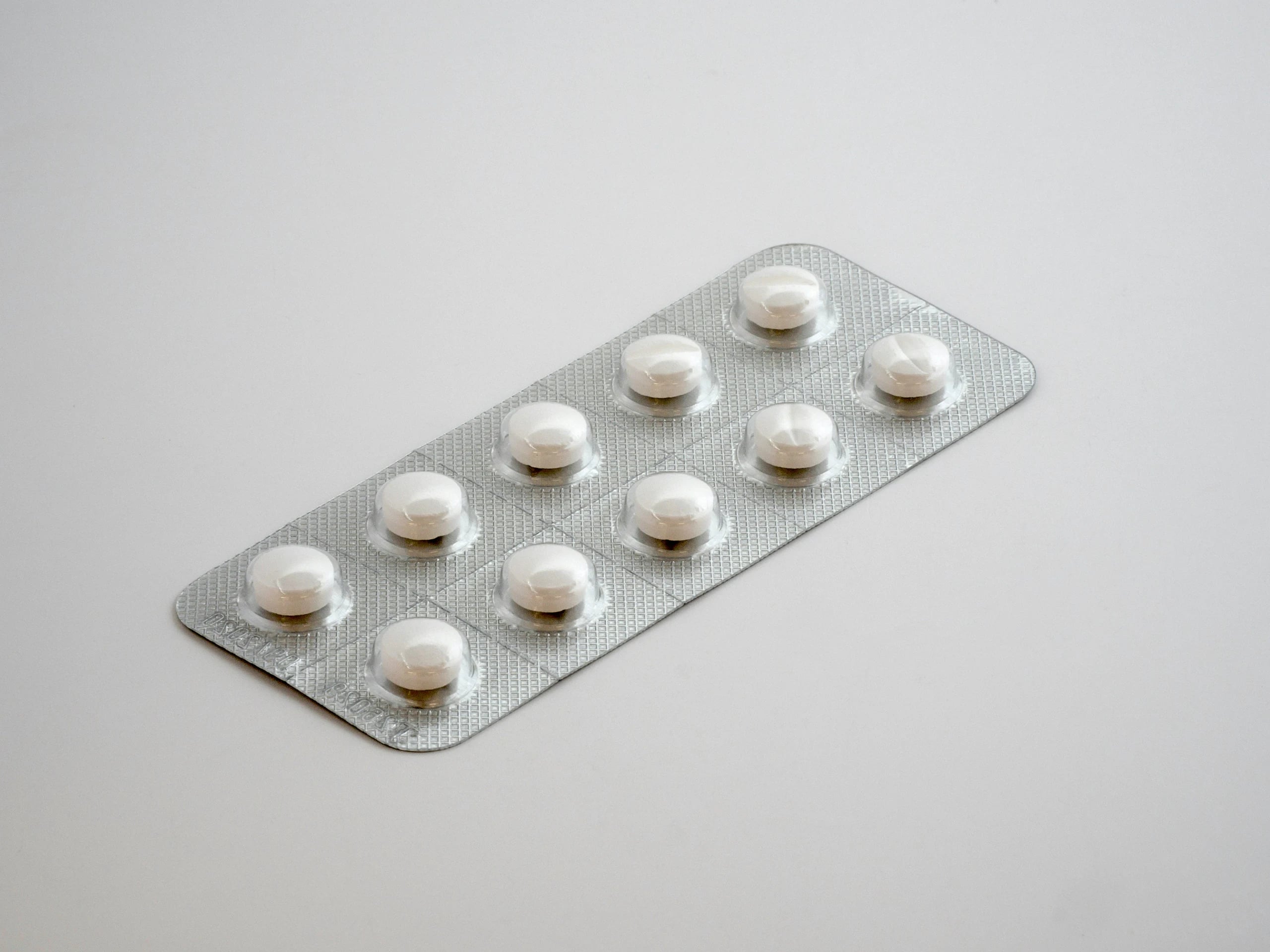
Sold without a prescription. Supplements are not reviewed by the FDA before sale, so third-party testing matters. Sold as a dietary supplement. FDA does not review supplements for effectiveness before sale.
As of September 23, 2026.
Key takeaways
Berberine is a bitter compound from plants like goldenseal and barberry. Lab and small human studies suggest it can help the body handle glucose, in part by affecting how insulin-producing cells respond when blood sugar is high.
It does not act on GLP-1 receptors, and the "nature's Ozempic" comparison is not supported by the evidence.
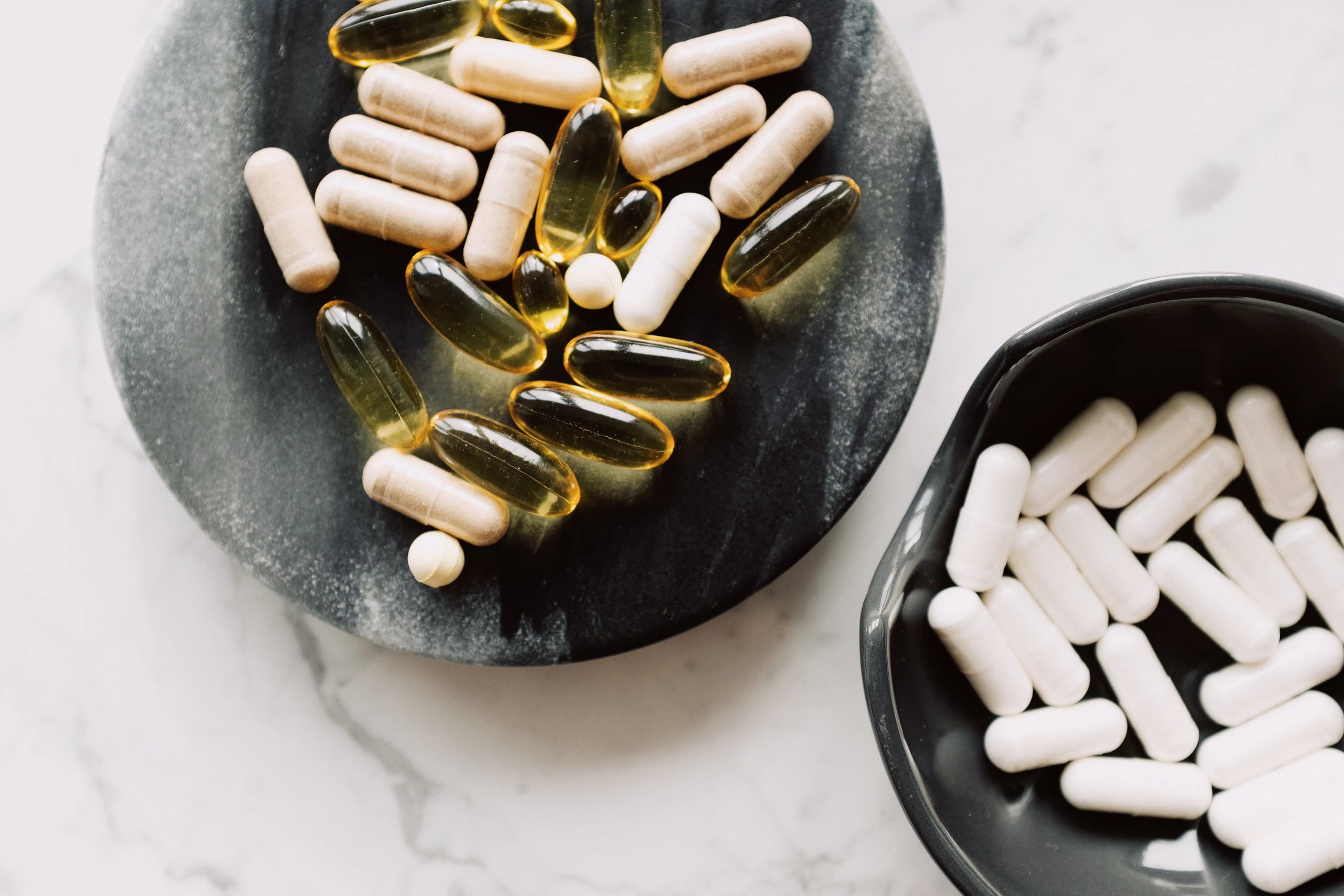

Meta-analyses of mostly small, short trials suggest modest effects on blood sugar and lipids and small effects on weight; trial quality is mixed.
Clinicians see berberine as a supplement with modest, uncertain effects that needs a medication check, not as an alternative to prescription weight or diabetes drugs.
NIH's National Center for Complementary and Integrative Health says a 2022 review found small reductions in weight and BMI, mostly in studies over eight weeks in people with conditions like diabetes, but many studies had a high risk of bias.
NCCIH: Berberine and weight loss, what you need to knowA 2022 meta-analysis of 37 trials in people with type 2 diabetes found lower fasting glucose and A1C with berberine, without more low-blood-sugar events.
Glucose-lowering effect of berberine on type 2 diabetes: meta-analysis of 37 trials (2022)NCCIH lists nausea, bloating, constipation and diarrhea as side effects, notes an interaction with the transplant drug cyclosporine, and says berberine is likely unsafe for infants and possibly unsafe in pregnancy and breastfeeding.
NCCIH: Berberine and weight loss, what you need to knowSummaries of published guidelines, drug labels, regulators and reviews, each attributed to its source. DiscoverMedica does not employ clinicians.
Only a licensed clinician who knows your history can decide whether it is right for you.
These save with the compound when you add it to My Journal, so they’re on the printout for your visit.
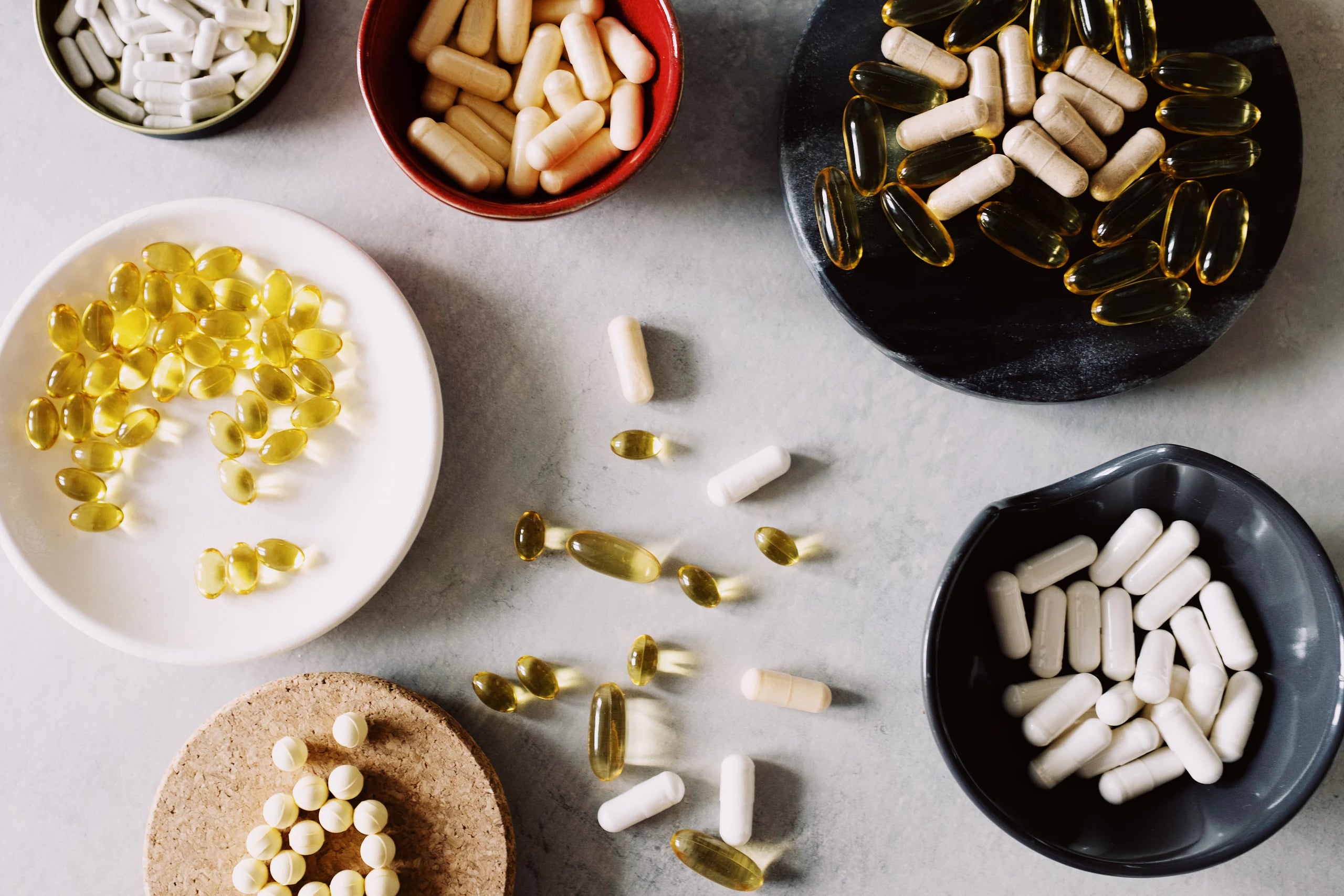
No prescription is needed. It is sold by supplement brands and retailers.
Check with a clinician or pharmacist about your other medications first.
Choose a brand that publishes third-party testing, since FDA does not review supplements before sale.
From each provider’s own site, checked September 23, 2026. Programs change, so confirm the details before you sign up.
13 providers list Berberine on DiscoverMedica, lowest listed price first.
† Prices as listed by the provider when we checked; they change.
No. It works differently and the weight effects in studies are small. Prescription GLP-1 drugs have far larger, better-tested effects.
Meta-analyses of small trials suggest modest drops in blood sugar and A1C in people with type 2 diabetes. Studies are short and vary in quality.
Ask first. It can add to diabetes drugs and interact with drugs processed by the same liver enzymes, including cyclosporine.
It does not need a prescription. You buy it from supplement brands or retailers, ideally ones with third-party testing.
This is not a complete list of risks. Talk to a licensed clinician or pharmacist about your own situation. If you have a severe reaction, call 911. You can report side effects to the FDA through MedWatch at 1-800-FDA-1088.
Guide reviewed September 23, 2026.
Educational information only, not medical advice. It does not replace a conversation with a licensed clinician.
A GLP-1 medication that reduces appetite, approved for weight management and type 2 diabetes.
A weekly GIP and GLP-1 medication approved for weight management, sleep apnea and type 2 diabetes.
An older, daily GLP-1 injection for weight management and diabetes, now available as a generic.
An investigational triple-hormone weight-loss drug from Eli Lilly. Not approved; only available in trials.