Berberine
supplementA plant compound sold as a supplement for blood sugar and weight. It is not a GLP-1 drug.
13 providers
Probiotics is a supplement that is sold over the counter.
Also known as Lactobacillus, Bifidobacterium, Saccharomyces boulardii
Probiotics are live bacteria or yeasts meant to benefit the host. People take them for digestion, after antibiotics, and for general gut health; different strains do different things.
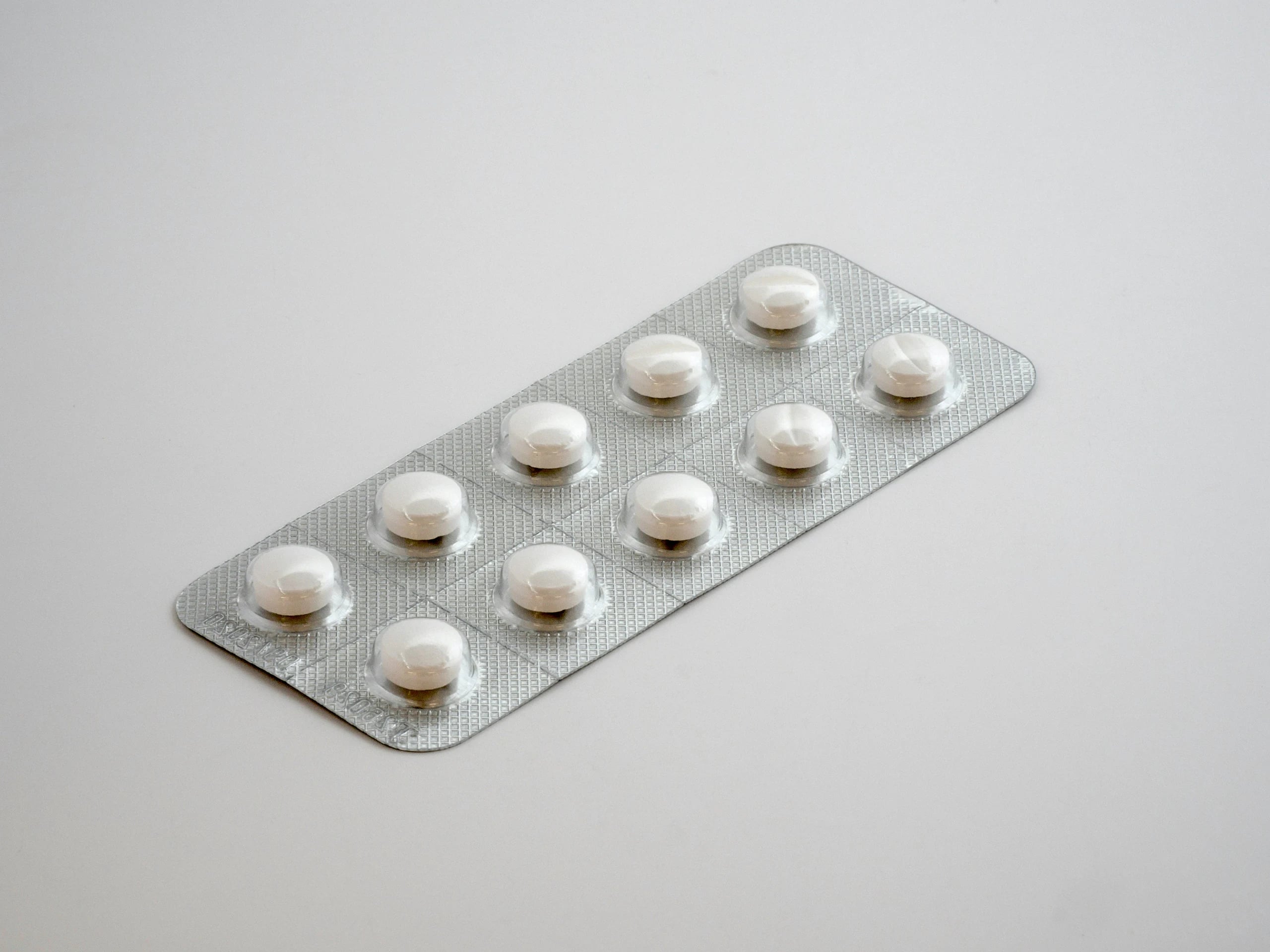
Sold without a prescription. Supplements are not reviewed by the FDA before sale, so third-party testing matters. Sold as dietary supplements and foods. None are FDA-approved to treat disease.
As of September 23, 2026.
Key takeaways
Probiotics add specific microbes to your gut, where they may compete with harmful bacteria, support the gut lining, or influence the immune system.
Different strains behave differently, so evidence for one product does not carry over to another. Most do not permanently settle in the gut.

Some strains have reasonable evidence for specific uses, such as preventing antibiotic-associated diarrhea; evidence for general wellness is weak.
Gastroenterologists recommend probiotics only for a few specific situations and specific strains.
The AGA's 2020 guideline supports specific strains for preventing C. difficile infection during antibiotics, and for a few other narrow uses. For IBS, Crohn's disease and ulcerative colitis, it recommends probiotics only in clinical trials.
AGA clinical practice guidelines on the role of probiotics in GI disorders (2020)The AGA says effects are strain- and combination-specific, and that probiotics should not be given routinely to children seen in the emergency room for diarrhea.
AGA: AGA does not recommend the use of probiotics for most digestive conditions (2020)In 2023 FDA warned of invasive, potentially fatal infections in preterm infants given probiotics, and said it has not approved any probiotic as a drug for infants.
FDA: Risk of invasive disease in preterm infants given probiotics (Sept 2023)NCCIH says there is moderate evidence for preventing antibiotic-associated diarrhea, and that some products contain microbes not listed on the label.
NCCIH: Probiotics, what you need to knowSummaries of published guidelines, drug labels, regulators and reviews, each attributed to its source. DiscoverMedica does not employ clinicians.
Only a licensed clinician who knows your history can decide whether it is right for you.
These save with the compound when you add it to My Journal, so they’re on the printout for your visit.
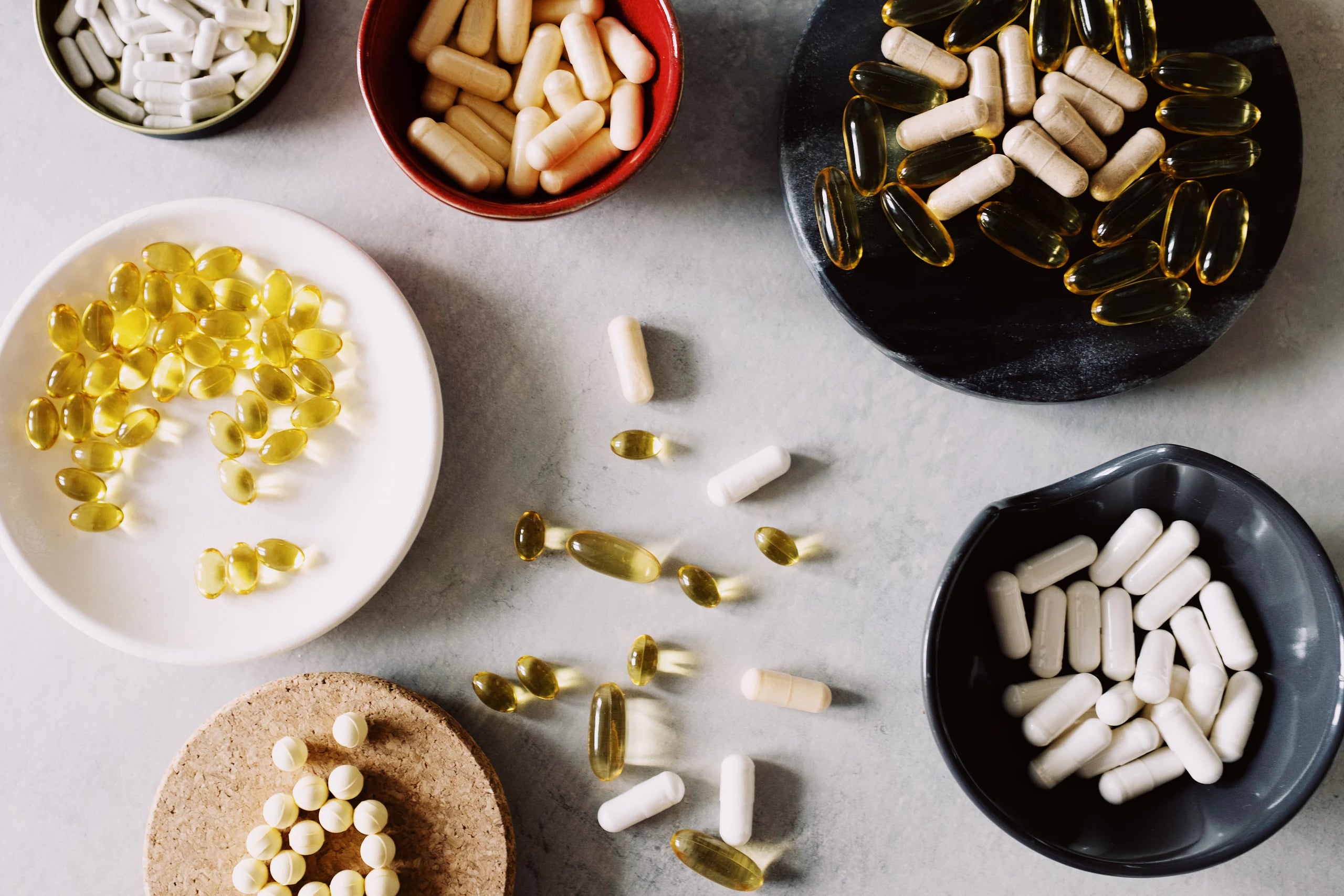
No prescription is needed. Supplement brands and retailers sell it online and in stores.
Check with a clinician or pharmacist first if you take prescription medication or have a chronic condition.
Choose a product with independent testing, such as NSF Certified for Sport or USP Verified, because FDA does not check supplements before they are sold.
Look for the full strain name on the label, not just the species, and match it to the evidence for your use.
From each provider’s own site, checked September 23, 2026. Programs change, so confirm the details before you sign up.
17 providers list Probiotics on DiscoverMedica, lowest listed price first.
† Prices as listed by the provider when we checked; they change.
The listed price is $49.99 a month, from 1 provider, as checked October 7, 2026.
Prices as listed by the provider when we checked; they change. Membership or consult fees may be separate; see each provider.
Evidence for general wellness is weak, and the AGA does not recommend probiotics for most digestive conditions.
Certain strains have evidence for preventing C. difficile infection during antibiotics. Ask which strain your clinician recommends.
For healthy people, usually, with some gas and bloating at first. People who are very ill or immunocompromised face rare serious infections.
They do not need a prescription. You buy them from supplement brands and retailers.
This is not a complete list of risks. Talk to a licensed clinician or pharmacist about your own situation. If you have a severe reaction, call 911. You can report side effects to the FDA through MedWatch at 1-800-FDA-1088.
Guide reviewed September 23, 2026.
Educational information only, not medical advice. It does not replace a conversation with a licensed clinician.
A plant compound sold as a supplement for blood sugar and weight. It is not a GLP-1 drug.
A lab-made peptide popular for injury recovery. Mostly animal data, and not an approved drug.
An amino acid that fuels gut-lining cells; taken for "leaky gut" and recovery.
A soluble fiber for regularity that also modestly lowers LDL cholesterol.