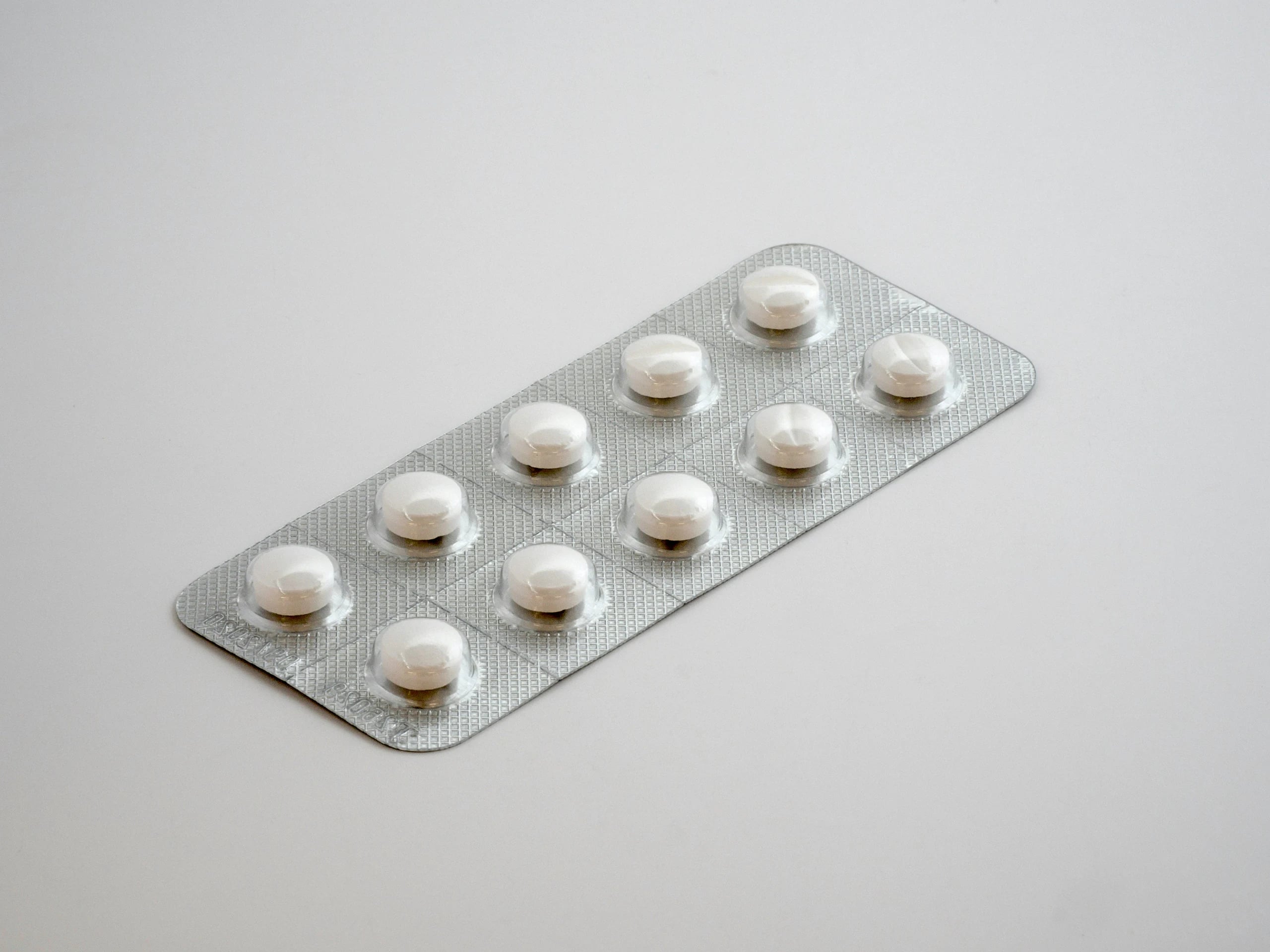
NAD+ is a supplement that is compounded, prescription only, not FDA-approved.
Also known as Nicotinamide adenine dinucleotide, NAD, NAD+ IV, NAD+ injection
NAD+ is a molecule cells need to turn food into energy, and levels tend to fall with age. Clinics offer it by IV infusion or injection, and supplement makers sell precursors (NMN, NR) that the body can convert into NAD+.
Made by a licensed compounding pharmacy for an individual prescription. Compounded drugs are not FDA-approved, so quality depends on the pharmacy. Not FDA-approved. NAD sits in FDA's 503A "Category 1" (under evaluation), so licensed pharmacies can compound it for an individual prescription under FDA's interim policy. Oral NAD+ products are also sold as supplements.
As of September 23, 2026.
Key takeaways
NAD+ is a molecule every cell uses to make energy and repair DNA. Levels tend to fall with age.
Clinics offer compounded NAD+ injections and IV drips. These are not FDA-approved for any use.
A 2024 systematic review found little consistent evidence of clinical benefit.
Quality matters: in 2025 FDA classified a recall of an NAD+ injection over contamination as Class I, the most serious level.
How does NAD+ work?
NAD+ (nicotinamide adenine dinucleotide) is a helper molecule your cells use to turn food into energy, repair DNA and send internal signals. The theory behind boosting it is that restoring youthful levels might support healthier aging.
Injections and IV infusions deliver NAD+ directly. Oral products are usually precursors like NMN or NR, which the body converts. Raising blood levels has been shown; turning that into health benefits has not.
What does the evidence say about NAD+?
Emerging evidence
Human studies show NAD+ and its precursors can raise NAD levels in blood, but a 2024 systematic review found little consistent evidence of clinical benefit.
What do clinicians say about NAD+?
Clinicians describe NAD+ therapy as biologically plausible but unproven. Because it is compounded, product quality depends on the pharmacy.
NAD is in Category 1 on FDA's 503A list, meaning FDA is still evaluating it and allows pharmacies to compound it under interim conditions. That is not an approval.
A 2024 systematic review found oral NAD supplementation had few side effects but called for further studies to show clinical benefit. It included no IV studies.
In October 2025 FDA classified a recall of an NAD+ injection product as Class I because of high endotoxin levels, which can cause fever, shock or sepsis.
Telehealth providers that sell NAD+ state on their own pages that it is not FDA-approved for any indication and that FDA does not review compounded drugs.
Summaries of published guidelines, drug labels, regulators and reviews, each attributed to its source. DiscoverMedica does not employ clinicians.
Is NAD+ right for you, and who should avoid it?
Often considered for
Adults curious about NAD+ who want a licensed prescriber and a licensed pharmacy involved
People who understand the evidence for benefit is limited
Not a fit, or needs extra care
Pregnancy or breastfeeding
Anyone with a current or past cancer should discuss it first, given open questions about boosting cell metabolism
People prone to flushing, anxiety or chest tightness, which are common with fast IV infusions
Anyone offered IV NAD+ by a clinic that cannot say which licensed pharmacy made it
Only a licensed clinician who knows your history can decide whether it is right for you.
What are the risks and side effects of NAD+?
IV infusions commonly cause flushing, nausea, chest tightness, cramping or anxiety, especially when given quickly.
Compounded injectables do not go through FDA approval, so quality depends on the pharmacy.
Long-term effects of repeated high-level NAD+ boosting are unknown, including theoretical questions about cancer cell metabolism.
Clinics sometimes make broad claims; there is no proven anti-aging effect.
What should you ask a clinician about NAD+?
What result would we measure to know if this is doing anything?
Which pharmacy prepares it, and is it a licensed 503A or 503B facility?
Would an oral precursor make more sense than IV?
These save with the compound when you add it to My Journal, so they’re on the printout for your visit.
How do people get NAD+ through telehealth?
1
Complete an online health questionnaire. Some programs add a live video visit.
2
A licensed clinician reviews your history, interactions and reasons for trying it.
3
If prescribed, a licensed compounding pharmacy prepares it and ships it to you with supplies.
4
Check in with the care team by message; plans are usually monthly or multi-month.
What programs often include
Clinician review and prescription
Messaging with the care team
Compounded medication and supplies shipped to you
A membership, at some providers
How some providers do it
Mochi HealthHealth questionnaire, then a live video visit; a membership is required and includes visits with the care team.
EdenOnline questionnaire and clinician review that checks interactions and contraindications such as pregnancy; says each batch is third-party tested for potency, sterility and endotoxin.
AgelessRxFully online evaluation with in-house licensed providers, compounded by a certified pharmacy, with monthly or three-month plans and unlimited messaging.
From each provider’s own site, checked September 23, 2026. Programs change, so confirm the details before you sign up.
Where can I get NAD+?
6 providers list NAD+ on DiscoverMedica, lowest listed price first.
That has not been shown in people. Studies show NAD+ and its precursors raise NAD levels in the blood, but clear health benefits have not been established.
IV, injection or pill: which is best?
There is no good comparison. IV and injections are compounded prescriptions. Oral precursors like NMN are sold as supplements. Ask your clinician what you would measure to know whether it is doing anything.
Is it safe?
Short-term studies report few serious effects, though IV infusions often cause flushing, nausea or chest tightness. Long-term effects are unknown, and sterility depends on the pharmacy.
Can I get it through telehealth?
Yes. Several telehealth providers prescribe compounded NAD+ injections after an online intake.
Important safety information
Key risks
IV infusions commonly cause flushing, nausea, chest tightness, cramping or anxiety, especially when given quickly.
Compounded injectables do not go through FDA approval, so quality depends on the pharmacy.
Long-term effects of repeated high-level NAD+ boosting are unknown, including theoretical questions about cancer cell metabolism.
Clinics sometimes make broad claims; there is no proven anti-aging effect.
Talk to a clinician first, or avoid it, if
Pregnancy or breastfeeding
Anyone with a current or past cancer should discuss it first, given open questions about boosting cell metabolism
People prone to flushing, anxiety or chest tightness, which are common with fast IV infusions
Anyone offered IV NAD+ by a clinic that cannot say which licensed pharmacy made it
This is not a complete list of risks. Talk to a licensed clinician or pharmacist about your own situation. If you have a severe reaction, call 911. You can report side effects to the FDA through MedWatch at 1-800-FDA-1088.