Marcus
ExamplePersonal list
My sleep reset
Starting with the gentle, well studied stuff before anything stronger.
Magnesium glycinateGlycineMelatoninL-theanine
Glycine is a supplement that is sold over the counter.
Also known as Aminoacetic acid
Glycine is the smallest amino acid and plays a role in body temperature regulation and nerve signaling. A handful of small Japanese studies suggested it might improve sleep quality and next-day alertness.
In 1 example journal
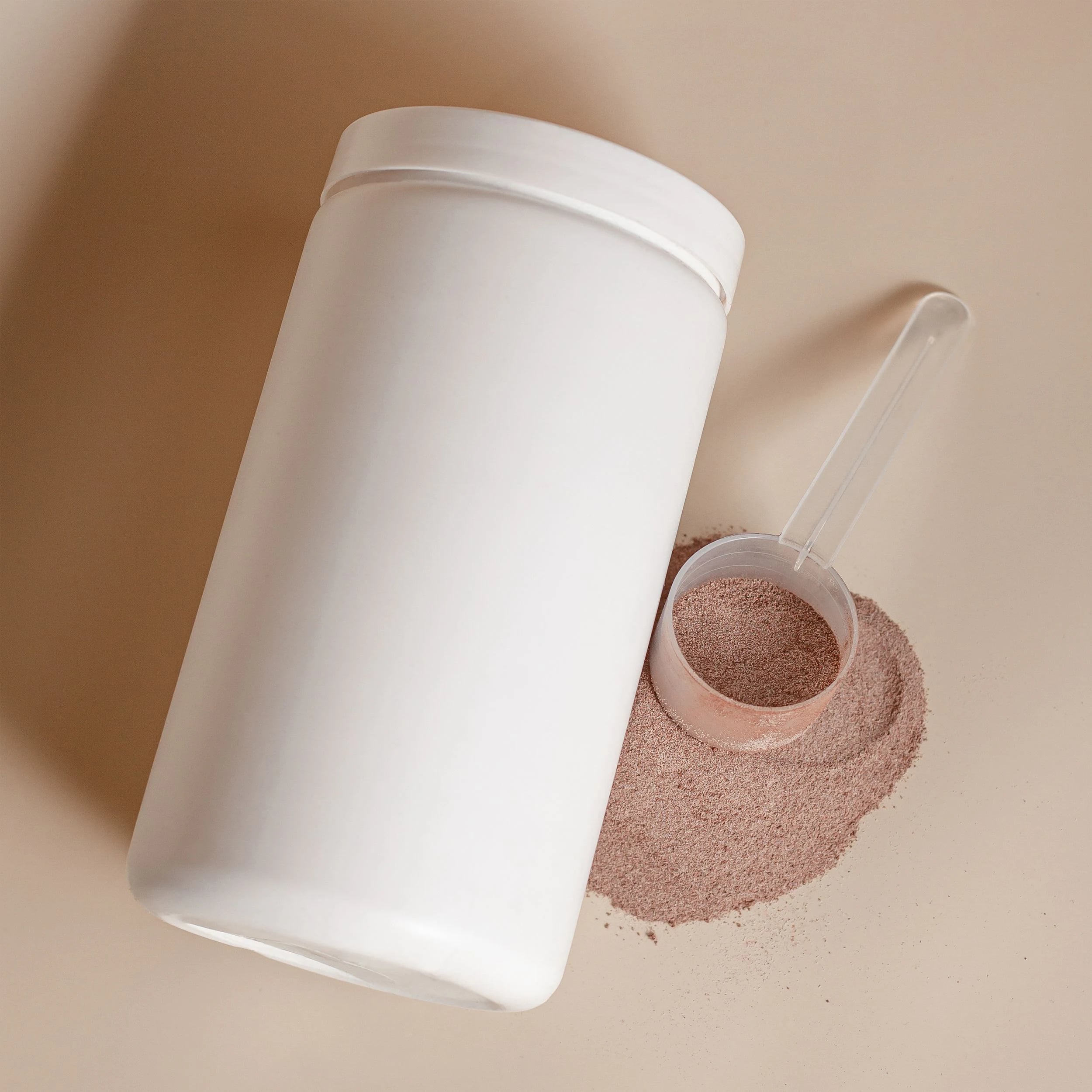
Sold without a prescription. Supplements are not reviewed by the FDA before sale, so third-party testing matters. Sold as a dietary supplement and food ingredient.
As of September 23, 2026.
Key takeaways
Glycine acts as a calming signal in the brain and spinal cord. In rat studies, it acted on the brain's master clock and lowered core body temperature, one of the body's natural cues for sleep.
Researchers think that small drop in body temperature may explain the better sleep reported in human studies.

Only a few small, short studies in healthy volunteers, several industry-sponsored.
What trials and prescribing information measured over time. Everyone responds differently.
The 2012 trial measured effects over three nights of restricted sleep.
Glycine is low-risk, but the sleep evidence rests on a handful of small studies.
A 2026 review found only three glycine sleep trials; all reported benefit on at least one sleep measure.
Glycine bioavailability and sleep-related outcomes: review (J Diet Suppl 2026)In a 2012 study of sleep-restricted healthy volunteers, glycine reduced fatigue and improved reaction time the next day.
Glycine and daytime performance in sleep-restricted volunteers (Front Neurol 2012)A 2012 review proposes glycine improves sleep quality by lowering core body temperature.
Glycine, core body temperature and sleep quality (J Pharmacol Sci 2012)FDA permits glycine as a food additive for specific technical uses.
21 CFR 172.812: Glycine as a food additive (Cornell LII)Summaries of published guidelines, drug labels, regulators and reviews, each attributed to its source. DiscoverMedica does not employ clinicians.
Only a licensed clinician who knows your history can decide whether it is right for you.
These save with the compound when you add it to My Journal, so they’re on the printout for your visit.
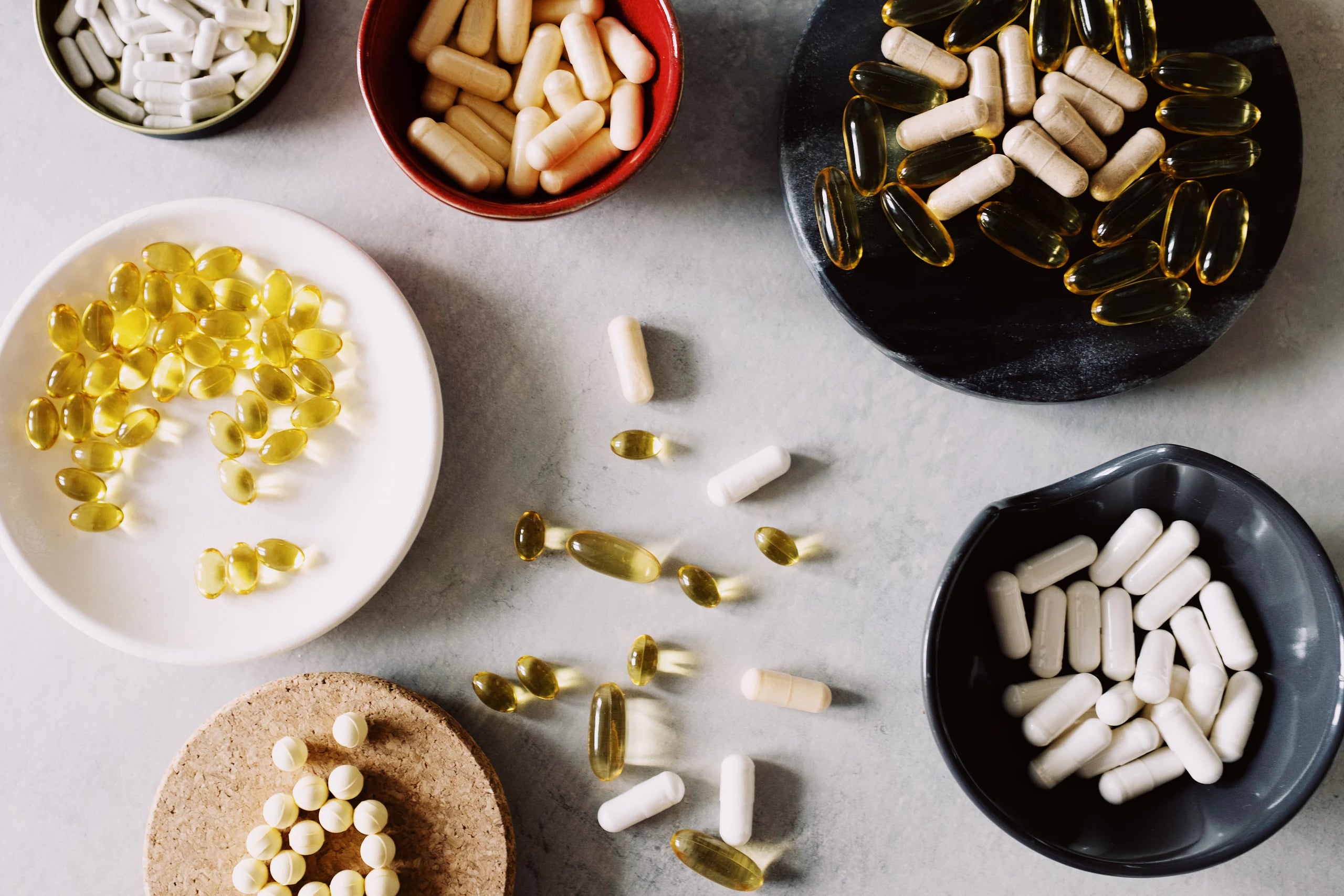
No prescription is needed. Supplement brands and retailers sell it online and in stores.
Check with a clinician or pharmacist first if you take prescription medication or have a chronic condition.
Choose a product with independent testing, such as NSF Certified for Sport or USP Verified, because FDA does not check supplements before they are sold.
9 providers list Glycine on DiscoverMedica, lowest listed price first.
† Prices as listed by the provider when we checked; they change.
A few small studies say it may. The evidence is too limited to be confident.
Glycine is generally well tolerated, with mild stomach upset possible. It may interact with clozapine.
Yes. Meat, fish, dairy and gelatin all contain it.
It does not need a prescription. You buy it from supplement brands and retailers.
This is not a complete list of risks. Talk to a licensed clinician or pharmacist about your own situation. If you have a severe reaction, call 911. You can report side effects to the FDA through MedWatch at 1-800-FDA-1088.
Guide reviewed September 23, 2026.
Educational information only, not medical advice. It does not replace a conversation with a licensed clinician.
Starting with the gentle, well studied stuff before anything stronger.
A four-amino-acid peptide marketed for aging and sleep. Limited research, not an approved drug.
The body's own sleep-timing hormone, sold as a supplement for jet lag and trouble falling asleep.
A gentle form of magnesium that people take for sleep and relaxation.
A 1970s "sleep peptide" sold online. Human results were inconsistent and it is not approved.