
Marcus
ExamplePersonal list
My sleep reset
Starting with the gentle, well studied stuff before anything stronger.
Magnesium glycinateGlycineMelatoninL-theanine
Magnesium glycinate is a supplement that is sold over the counter.
Also known as Magnesium bisglycinate, Magnesium
Magnesium is an essential mineral involved in muscle and nerve function. The glycinate form is popular because it tends to be easier on the stomach than other forms, and it is widely taken for sleep.
In 1 example journal
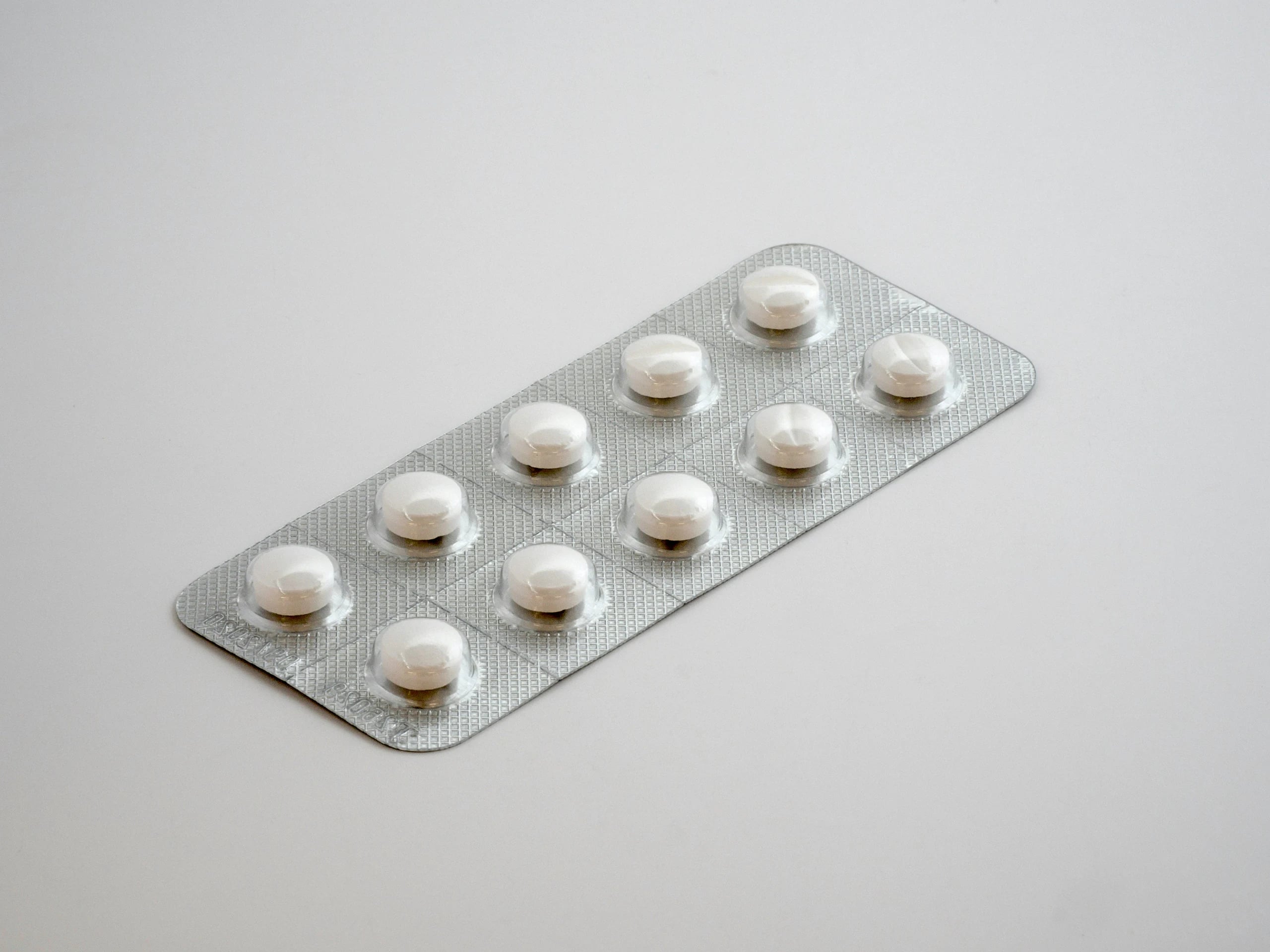
Sold without a prescription. Supplements are not reviewed by the FDA before sale, so third-party testing matters. Sold as a dietary supplement.
As of September 23, 2026.
Key takeaways
Magnesium helps more than 300 enzymes do their jobs, including those that relax muscles and calm nerve signaling. Your kidneys keep blood levels in balance.
Magnesium glycinate pairs magnesium with the amino acid glycine. It is popular because many people find it gentler on the stomach, though NIH does not single it out as better absorbed than other forms.

A meta-analysis of small trials in older adults found low-quality evidence for a small benefit on time to fall asleep; glycinate specifically is barely studied.
Clinicians see magnesium as useful if your intake is low, with modest or uncertain benefits for sleep in people who are not deficient.
NIH sets an upper limit for magnesium from supplements and medicines (not food). High intakes cause diarrhea, nausea and cramping, and very high intakes can cause an irregular heartbeat.
NIH ODS: Magnesium fact sheet for consumersA 2021 meta-analysis of three trials in older adults with insomnia found the evidence too weak for physicians to make well-informed recommendations.
Oral magnesium for insomnia in older adults: meta-analysis (BMC Complement Med Ther 2021)NIH ODS reports that the American Academy of Neurology and American Headache Society consider magnesium probably effective for preventing migraine.
NIH ODS: Magnesium fact sheet for health professionalsThe National Kidney Foundation warns magnesium can build up in people with chronic kidney disease and advises checking with a clinician before taking it.
National Kidney Foundation: Safe medicine use in chronic kidney diseaseSummaries of published guidelines, drug labels, regulators and reviews, each attributed to its source. DiscoverMedica does not employ clinicians.
Only a licensed clinician who knows your history can decide whether it is right for you.
These save with the compound when you add it to My Journal, so they’re on the printout for your visit.
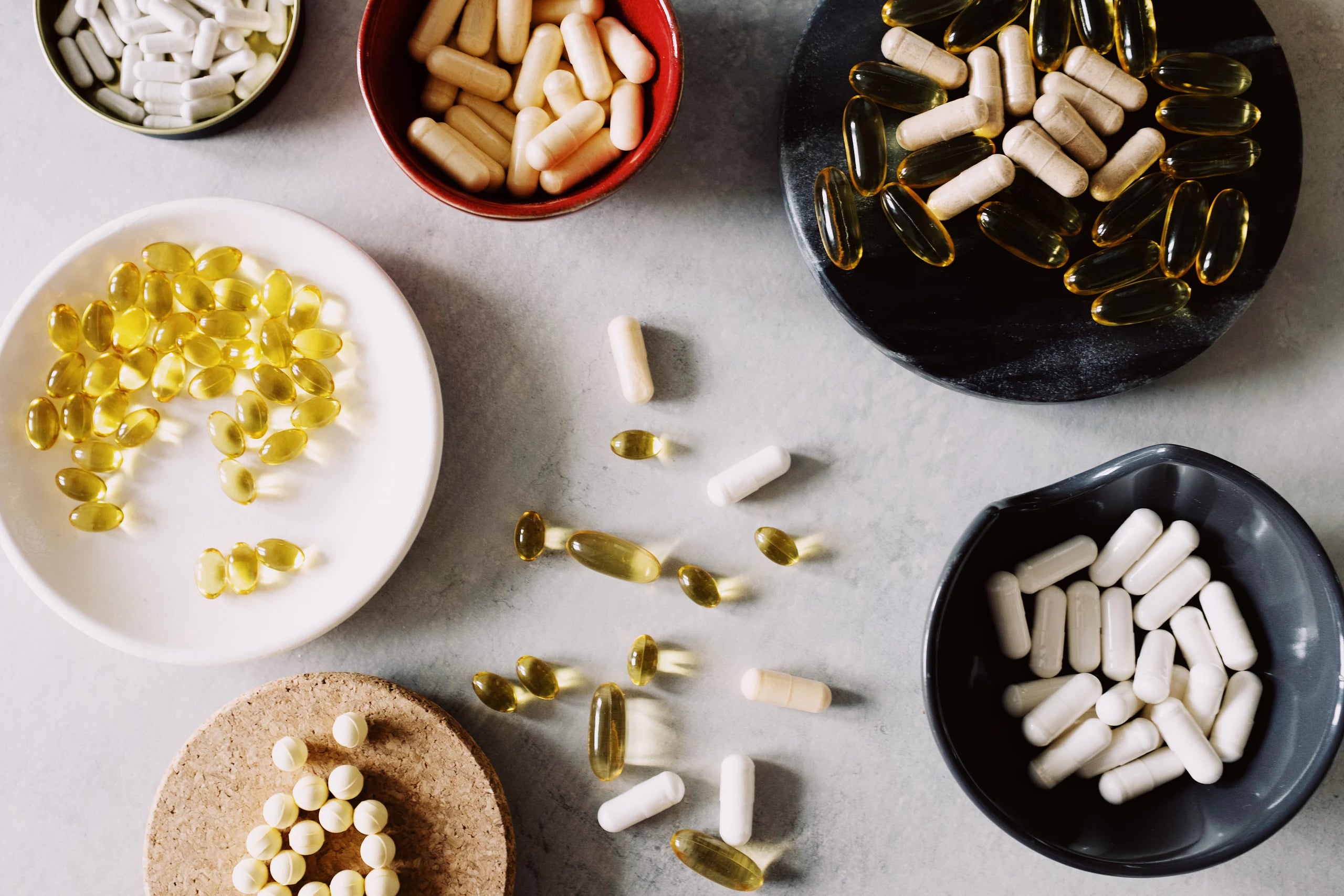
No prescription is needed. Supplement brands and retailers sell it online and in stores.
Check with a clinician or pharmacist first if you take prescription medication or have a chronic condition.
Choose a product with independent testing, such as NSF Certified for Sport or USP Verified, because FDA does not check supplements before they are sold.
From each provider’s own site, checked September 23, 2026. Programs change, so confirm the details before you sign up.
15 providers list Magnesium glycinate on DiscoverMedica, lowest listed price first.
† Prices as listed by the provider when we checked; they change.
Maybe a little, if you are low. Studies are small and low quality, and glycinate specifically is barely studied.
NIH notes some forms, like citrate and chloride, are absorbed better than others. Glycinate is popular because it tends to be easier on the stomach.
Yes. NIH sets an upper limit for supplemental magnesium. Diarrhea is usually the first sign.
It does not need a prescription. You buy it from supplement brands and retailers.
This is not a complete list of risks. Talk to a licensed clinician or pharmacist about your own situation. If you have a severe reaction, call 911. You can report side effects to the FDA through MedWatch at 1-800-FDA-1088.
Guide reviewed September 23, 2026.
Educational information only, not medical advice. It does not replace a conversation with a licensed clinician.
Starting with the gentle, well studied stuff before anything stronger.
A lab-made peptide popular for injury recovery. Mostly animal data, and not an approved drug.
A synthetic fragment of thymosin beta-4 marketed for recovery. Animal data only; not approved.
A protein supplement made from animal collagen, popular for skin, joints and recovery.
A four-amino-acid peptide marketed for aging and sleep. Limited research, not an approved drug.