Dana
ExamplePersonal list
Starting a GLP-1, thoughtfully
Everything I want to talk through with a clinician before starting a GLP-1, plus the basics I keep reading I should not skip.
SemaglutideTirzepatidePsylliumCreatine monohydrateVitamin D
Creatine monohydrate is a supplement that is sold over the counter.
Also known as Creatine
Creatine helps muscles recycle energy during short, intense efforts. It is one of the best-studied supplements for strength training, and interest in its effects on the brain is growing.
In 3 example journals
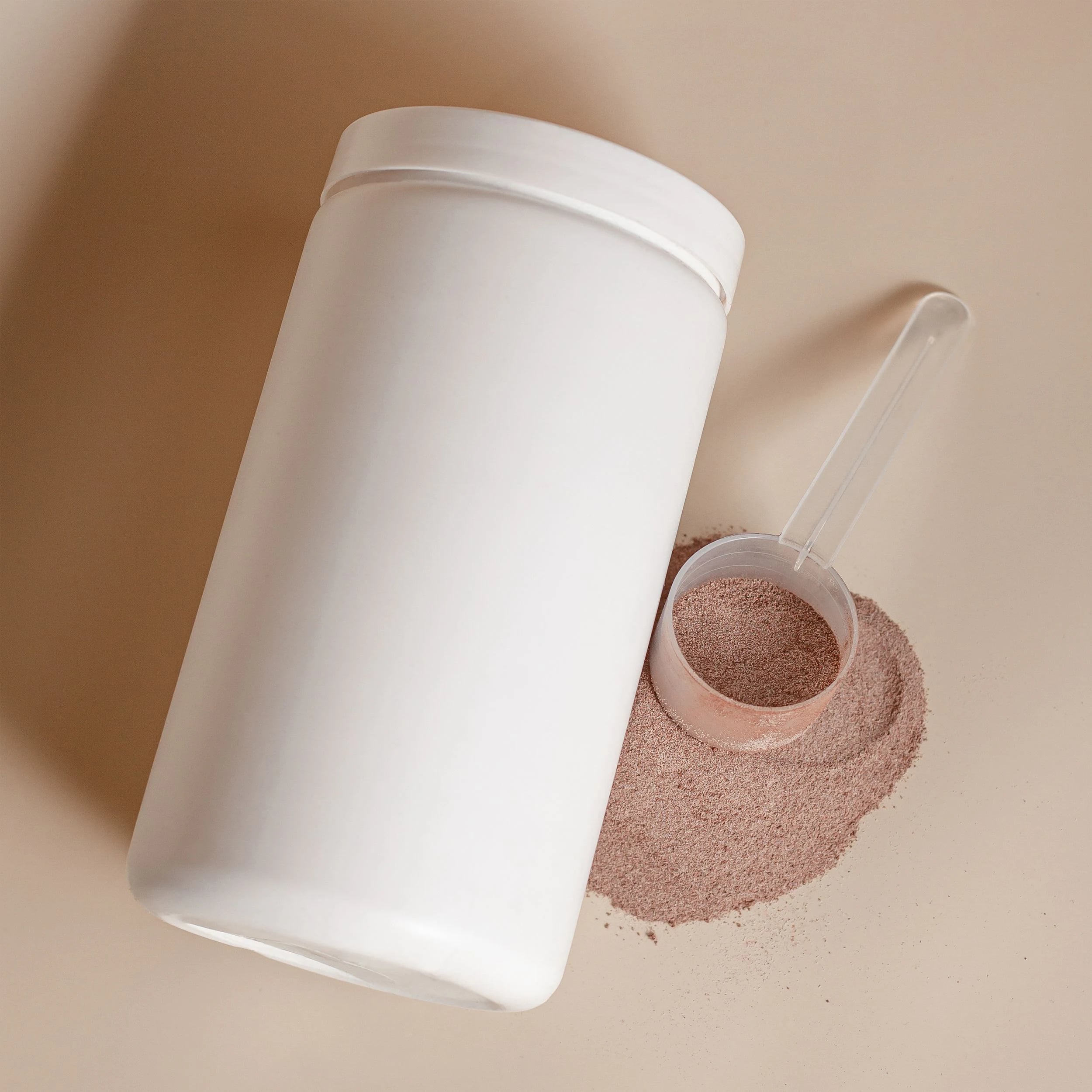
Sold without a prescription. Supplements are not reviewed by the FDA before sale, so third-party testing matters. Sold as a dietary supplement.
As of September 23, 2026.
Key takeaways
Your muscles store creatine as phosphocreatine. During a sprint or heavy lift, it quickly regenerates ATP, the molecule cells use for energy, so you can push a little harder for a little longer.
Supplementing tops up those muscle stores over time. Your brain also uses creatine, which is why researchers are studying it for memory and thinking.

Strong evidence for strength and high-intensity performance; meta-analyses suggest possible small memory benefits, which are less certain.
What trials and prescribing information measured over time. Everyone responds differently.
The ISSN reports muscle creatine stores rise to their full level over about three to four weeks of regular use.
Muscle stores return to baseline about four to six weeks after stopping.
Sports nutrition experts consider creatine effective and safe for healthy adults, with caution for kidney disease and teenagers.
The International Society of Sports Nutrition's 2017 position stand found no compelling evidence that creatine harms kidney function in healthy or clinical populations, and advises people with kidney disease to consult a physician.
ISSN position stand: safety and efficacy of creatine supplementation (2017)The ISSN's 2021 paper found no evidence that creatine causes hair loss, dehydration or cramping.
ISSN: Common questions and misconceptions about creatine supplementation (2021, PMC)NIH's Office of Dietary Supplements says creatine improves repeated short, intense efforts, does little for endurance, and usually causes water weight gain.
NIH ODS: Dietary supplements for exercise and athletic performance (consumer)A 2024 meta-analysis found possible small improvements in memory, with less certainty for other cognitive measures.
Creatine supplementation and cognitive function in adults: meta-analysis (2024)Summaries of published guidelines, drug labels, regulators and reviews, each attributed to its source. DiscoverMedica does not employ clinicians.
Only a licensed clinician who knows your history can decide whether it is right for you.
These save with the compound when you add it to My Journal, so they’re on the printout for your visit.
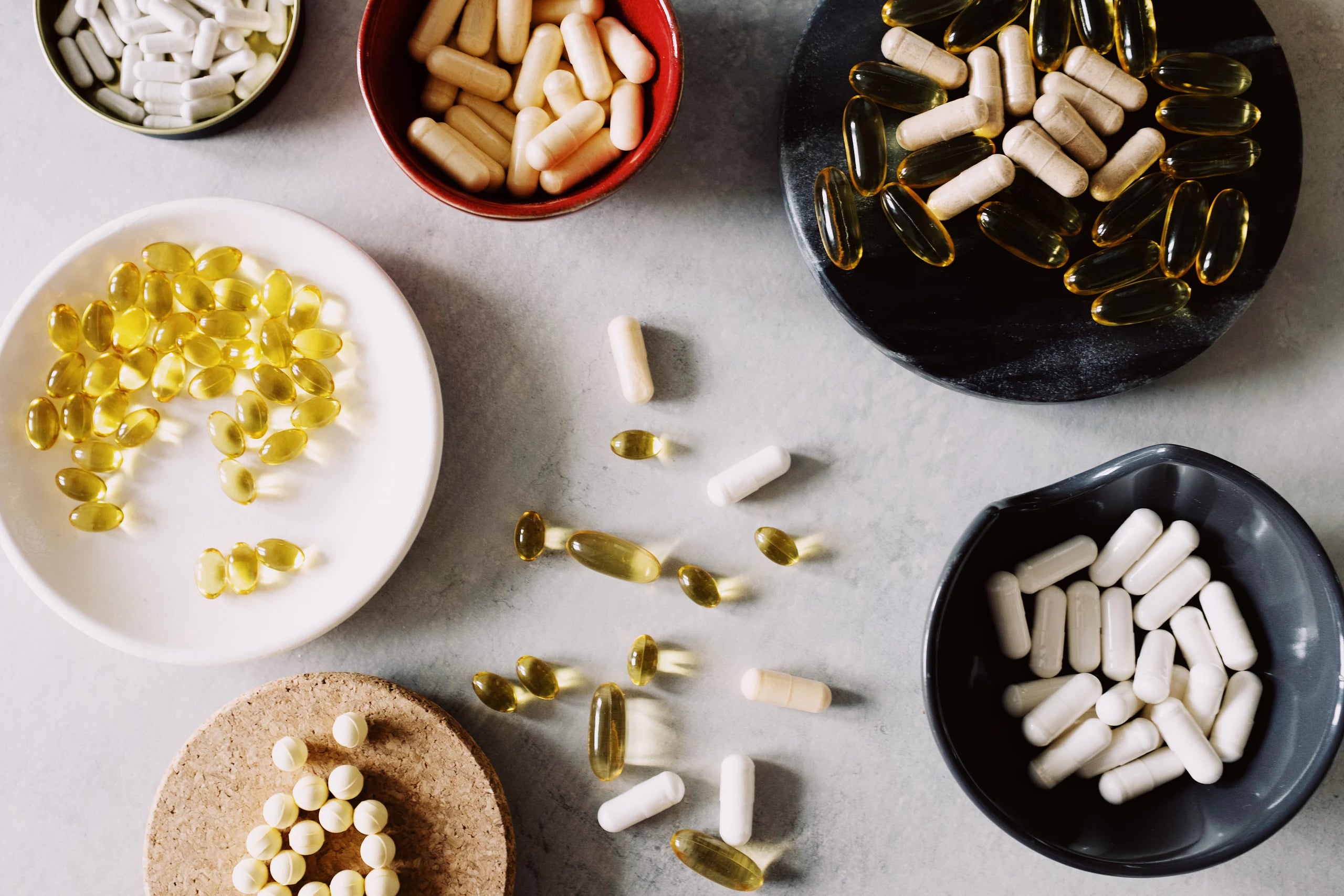
No prescription is needed. Supplement brands and retailers sell it online and in stores.
Check with a clinician or pharmacist first if you take prescription medication or have a chronic condition.
Choose a product with independent testing, such as NSF Certified for Sport or USP Verified, because FDA does not check supplements before they are sold.
From each provider’s own site, checked September 23, 2026. Programs change, so confirm the details before you sign up.
14 providers list Creatine monohydrate on DiscoverMedica, lowest listed price first.
† Prices as listed by the provider when we checked; they change.
Not in healthy people, according to the ISSN. If you have kidney disease, talk to a clinician first.
Usually a little, from water stored in muscle. It is not fat gain.
The ISSN found no evidence that it does.
Yes. Choose a third-party-tested product such as NSF Certified for Sport to avoid contamination.
It does not need a prescription. You buy it from supplement brands and retailers.
This is not a complete list of risks. Talk to a licensed clinician or pharmacist about your own situation. If you have a severe reaction, call 911. You can report side effects to the FDA through MedWatch at 1-800-FDA-1088.
Guide reviewed September 23, 2026.
Educational information only, not medical advice. It does not replace a conversation with a licensed clinician.
Everything I want to talk through with a clinician before starting a GLP-1, plus the basics I keep reading I should not skip.

The compounds patients most often ask us about, grouped by how much evidence stands behind them. Bring this list to your first visit.

What I tell clients to look at first. Boring works. The peptides are here so you can see why I say wait.
A lab-made peptide popular for injury recovery. Mostly animal data, and not an approved drug.
A synthetic fragment of thymosin beta-4 marketed for recovery. Animal data only; not approved.
A protein supplement made from animal collagen, popular for skin, joints and recovery.
A coenzyme every cell uses for energy; offered as IV drips and injections at longevity clinics.