
Dana
ExamplePersonal list
Starting a GLP-1, thoughtfully
Everything I want to talk through with a clinician before starting a GLP-1, plus the basics I keep reading I should not skip.
SemaglutideTirzepatidePsylliumCreatine monohydrateVitamin D
Vitamin D is a supplement that is sold over the counter.
Also known as Vitamin D3, Cholecalciferol, Vitamin D2, Ergocalciferol
Vitamin D helps the body absorb calcium and supports bones and muscles. Many people take it because low levels are common, especially with little sun exposure.
In 4 example journals

Sold without a prescription. Supplements are not reviewed by the FDA before sale, so third-party testing matters. Sold as a dietary supplement; higher-strength versions are also prescribed.
As of September 23, 2026.
Key takeaways
Your skin makes vitamin D in sunlight, and you get a little from food. The liver and kidneys convert it into its active form, which helps your gut absorb calcium.
Expert panels have found firm evidence only for bone health. Links to other diseases come mostly from observational studies that trials have not confirmed.



Clear benefit for correcting deficiency; large trials such as VITAL found no overall reduction in cancer or heart disease in people who were not deficient.
What trials and prescribing information measured over time. Everyone responds differently.
In a dosing study, blood vitamin D levels took roughly 20 weeks to level off after starting a steady supplement.
Guidelines have moved away from testing and supplementing everyone, toward targeting groups at higher risk.
The Endocrine Society's 2024 guideline suggests against supplementing above recommended intakes in healthy adults aged 19 to 74, and against routine blood testing. It suggests supplementation for children, adults 75 and older, pregnancy, and high-risk prediabetes.
Endocrine Society guideline: vitamin D for the prevention of disease (JCEM 2024)The USPSTF found insufficient evidence to assess screening adults without symptoms for vitamin D deficiency.
USPSTF: Screening for vitamin D deficiency in adults (2021)A December 2024 USPSTF draft recommends against vitamin D to prevent falls or fractures in community-dwelling older adults who do not have osteoporosis or deficiency.
USPSTF draft: Vitamin D and calcium to prevent falls and fractures (Dec 2024)NIH sets an upper limit for vitamin D. Toxicity, almost always from supplements, can cause high blood calcium, kidney problems and heart rhythm problems.
NIH ODS: Vitamin D fact sheet for health professionalsIn VITAL, vitamin D did not lower rates of cancer or major cardiovascular events compared with placebo.
VITAL: Vitamin D supplements and prevention of cancer and cardiovascular disease (NEJM 2019)Summaries of published guidelines, drug labels, regulators and reviews, each attributed to its source. DiscoverMedica does not employ clinicians.
Only a licensed clinician who knows your history can decide whether it is right for you.
These save with the compound when you add it to My Journal, so they’re on the printout for your visit.
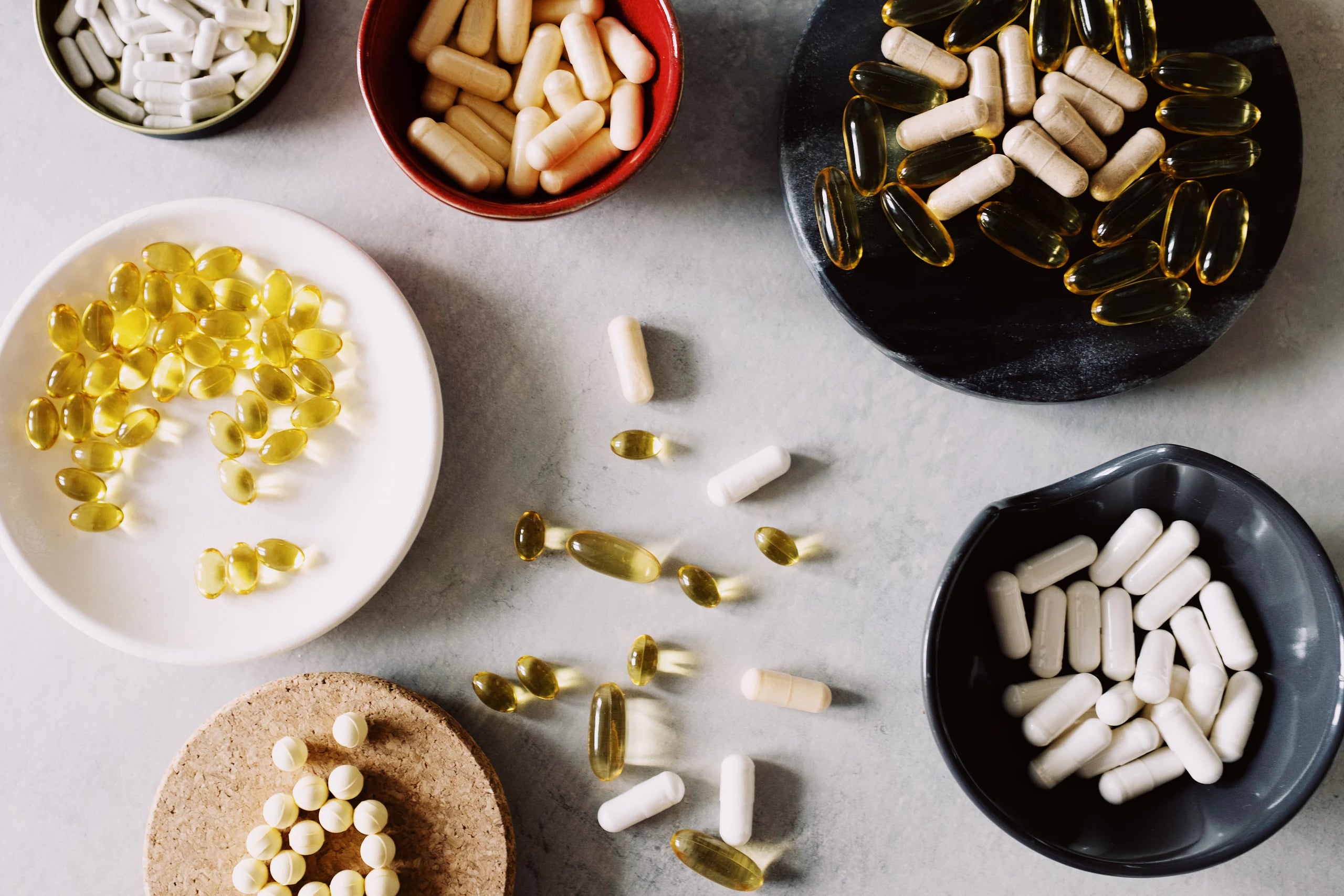
No prescription is needed. Supplement brands and retailers sell it online and in stores.
Check with a clinician or pharmacist first if you take prescription medication or have a chronic condition.
Choose a product with independent testing, such as NSF Certified for Sport or USP Verified, because FDA does not check supplements before they are sold.
You can order a vitamin D blood test without a doctor visit, though the Endocrine Society does not recommend routine testing for healthy adults.
Some services let you order common lab tests yourself, so the results are ready for your visit. Your clinician decides which labs, if any, you need, and what the results mean.
From each service’s own site, checked September 23, 2026.
From each provider’s own site, checked September 23, 2026. Programs change, so confirm the details before you sign up.
17 providers list Vitamin D on DiscoverMedica, lowest listed price first.
† Prices as listed by the provider when we checked; they change.
The Endocrine Society suggests against routine testing in healthy adults. Your clinician may test if you have symptoms or risk factors.
The large VITAL trial found it did not in people who were not deficient.
Yes. NIH sets an upper limit. Too much can raise calcium and harm the kidneys and heart.
It does not need a prescription. You can buy it from supplement brands, and order a blood test online if you and your clinician want one.
This is not a complete list of risks. Talk to a licensed clinician or pharmacist about your own situation. If you have a severe reaction, call 911. You can report side effects to the FDA through MedWatch at 1-800-FDA-1088.
Guide reviewed September 23, 2026.
Educational information only, not medical advice. It does not replace a conversation with a licensed clinician.
Everything I want to talk through with a clinician before starting a GLP-1, plus the basics I keep reading I should not skip.

The compounds patients most often ask us about, grouped by how much evidence stands behind them. Bring this list to your first visit.

What I tell clients to look at first. Boring works. The peptides are here so you can see why I say wait.
A cheap, decades-old diabetes pill that some people ask about for weight and healthy aging.
A lab-made peptide popular for injury recovery. Mostly animal data, and not an approved drug.
A synthetic fragment of thymosin beta-4 marketed for recovery. Animal data only; not approved.
A protein supplement made from animal collagen, popular for skin, joints and recovery.