Collagen peptides
supplementA protein supplement made from animal collagen, popular for skin, joints and recovery.
14 providers
Retinol is a cosmetic that is sold over the counter.
Also known as Vitamin A (topical), retinoid serum, retinyl palmitate
Retinol is a form of vitamin A used in creams and serums for fine lines, uneven tone and mild acne. Skin converts it into retinoic acid, the active form that prescription tretinoin supplies directly, so it works more slowly and is usually less irritating.
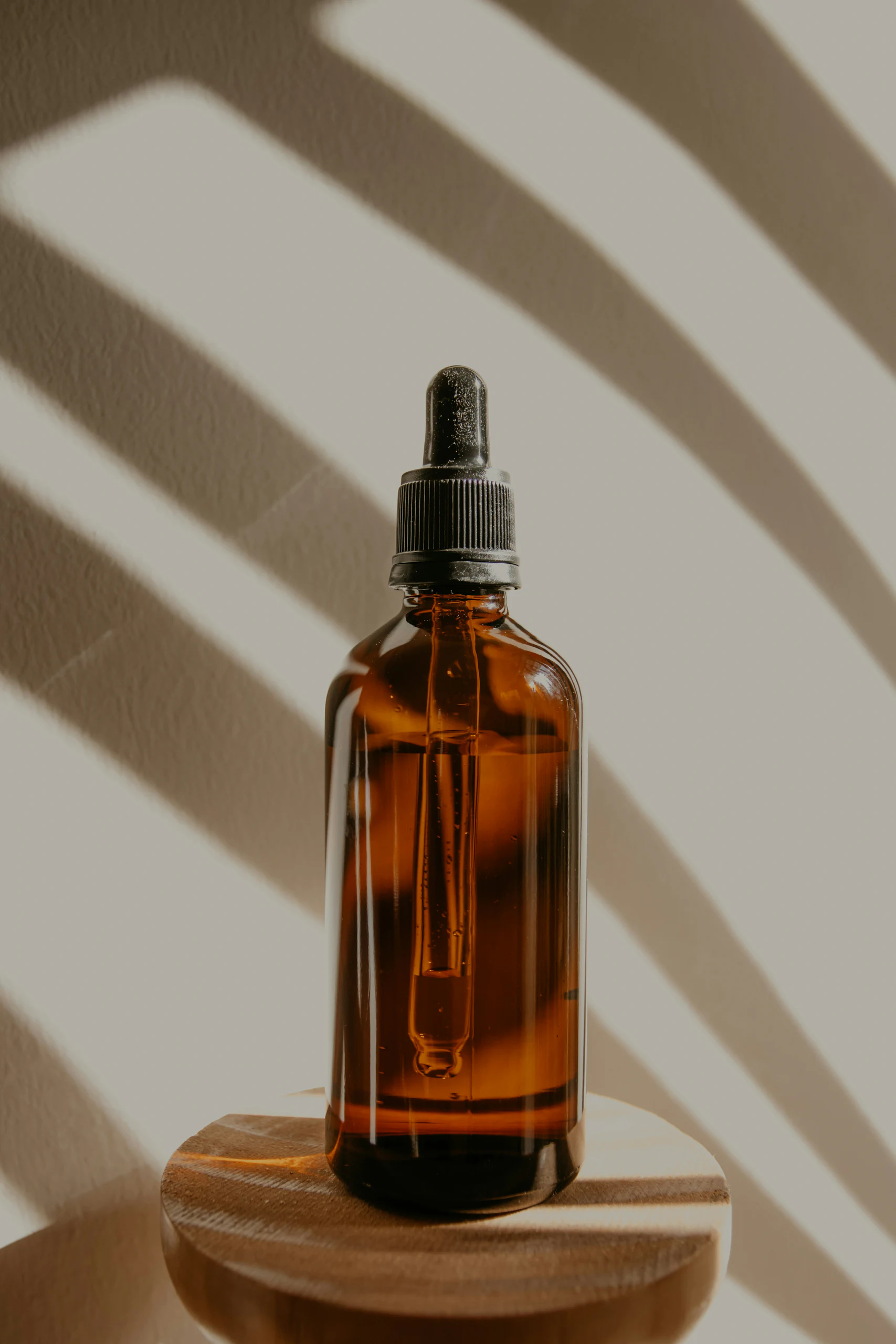
Sold without a prescription. Supplements are not reviewed by the FDA before sale, so third-party testing matters. Sold without a prescription in cosmetic skin care. FDA classifies products by intended use, and cosmetics do not need FDA approval before sale; the 2022 MoCRA law added adverse event reporting and safety records.
As of October 7, 2026.
Key takeaways
Inside the skin, retinol is oxidized first to retinaldehyde and then to retinoic acid, which switches on genes that speed cell turnover and support collagen. A 2006 review describes retinol as about 20 times less potent than tretinoin because of this conversion step.
Retinol is unstable in light and air, which is why packaging matters, and many cosmetics use retinyl esters such as retinyl palmitate instead.

No. The AAD describes retinol as an over-the-counter retinoid, while tretinoin is a prescription retinoid. Both can speed cell turnover and boost collagen; retinol tends to work best for mild acne, mild uneven pigment and mild fine lines. American Academy of Dermatology: Retinoid or retinol?
Retinol has to be converted to retinoic acid in the skin to work, and a review describes it as considerably less irritating than tretinoin but also less potent. Mukherjee et al.: Retinoids in the treatment of skin aging (Clin Interv Aging 2006, PMC)
FDA classifies skin products by intended use. Products sold to improve appearance are cosmetics, which do not need FDA approval before sale; products intended to treat disease are drugs. That is why retinol creams are sold freely while tretinoin needs a prescription. FDA: Is it a cosmetic, a drug, or both?
The Modernization of Cosmetics Regulation Act of 2022 now requires cosmetic companies to report serious adverse events, register facilities, list products and keep safety records. FDA: Modernization of Cosmetics Regulation Act of 2022 (MoCRA)
Small randomized trials, such as a 24-week study in older adults, found topical retinol improved fine wrinkles; it is less potent than tretinoin and products vary widely.
What trials and prescribing information measured over time. Everyone responds differently.
Dryness, redness and peeling are most common early on, as with other retinoids.
The 2007 trial in older adults measured improvement in fine wrinkles after 24 weeks.
Dermatologists see retinol as a reasonable first step for mild skin concerns and for people who cannot tolerate prescription retinoids, with realistic expectations about speed and strength.
The AAD says retinoids make skin more sensitive to the sun, advises using them at night with daily sun protection, and says retinoids should not be used during pregnancy.
American Academy of Dermatology: Retinoid or retinol?The AAD notes labels are not required to disclose retinol strength, and that in darker skin tones irritation can trigger dark marks.
American Academy of Dermatology: Retinoid or retinol?In a randomized trial of 36 older adults, retinol applied to one arm for 24 weeks improved fine wrinkling compared with the plain base on the other arm, with more collagen-building activity on biopsy.
Kafi et al.: Improvement of naturally aged skin with vitamin A (retinol) (Arch Dermatol 2007)A 2006 review notes retinol is unstable in light and air and needs conversion in the skin, which limits its potency compared with tretinoin.
Mukherjee et al.: Retinoids in the treatment of skin aging (Clin Interv Aging 2006, PMC)Summaries of published guidelines, drug labels, regulators and reviews, each attributed to its source. DiscoverMedica does not employ clinicians.
Only a licensed clinician who knows your history can decide whether it is right for you.
These save with the compound when you add it to My Journal, so they’re on the printout for your visit.
No prescription is needed. Retinol creams and serums are sold by skin-care brands, pharmacies and retailers.
Look for opaque, airtight packaging, since retinol breaks down in light and air.
Patch test first and introduce it gradually; ask a dermatologist if irritation persists or if you are pregnant or planning to be.
From each provider’s own site, checked October 7, 2026. Programs change, so confirm the details before you sign up.
9 providers list Retinol on DiscoverMedica, lowest listed price first.
† Prices as listed by the provider when we checked; they change.
Retinoids commonly cause redness, dryness, peeling, burning and scaling, especially in the first weeks, though retinol is usually gentler than tretinoin. The AAD notes irritation can leave dark marks in darker skin, and that retinoids raise sun sensitivity, so daily sunscreen matters. Stop and see a dermatologist if irritation does not settle.
Tretinoin is retinoic acid itself and needs a prescription in the US. Retinol is sold over the counter and must be converted into retinoic acid by the skin, so it is weaker and slower but usually less irritating. A 2006 review describes retinol as roughly 20 times less potent than tretinoin.
The American Academy of Dermatology says retinoids should not be used during pregnancy. If you are pregnant, trying to conceive or breastfeeding, stop retinol products and ask your obstetrician or dermatologist which skin-care ingredients are appropriate instead. This advice applies to over-the-counter retinol as well as prescription tretinoin.
Expect months, not weeks. The 2007 trial in older adults measured improvement in fine wrinkles after 24 weeks of use. The AAD says over-the-counter retinoids work best for mild concerns. Early dryness or peeling is common and is not a sign of results; consistency and sun protection matter more.
Retinol skin care is not an FDA-approved drug. FDA classifies products by intended use, and cosmetics sold to improve appearance do not need approval before sale. Since the 2022 MoCRA law, cosmetic companies must report serious adverse events and keep safety records. Prescription retinoids such as tretinoin go through FDA drug approval instead.
This is not a complete list of risks. Talk to a licensed clinician or pharmacist about your own situation. If you have a severe reaction, call 911. You can report side effects to the FDA through MedWatch at 1-800-FDA-1088.
Guide reviewed October 7, 2026.
Educational information only, not medical advice. It does not replace a conversation with a licensed clinician.
A protein supplement made from animal collagen, popular for skin, joints and recovery.
A copper peptide common in skin-care serums. Injectable versions are not approved.
A prescription pill that slows male-pattern hair loss by lowering DHT.
A hair-growth drug: topical over the counter, or a low-dose pill prescribed off-label.